One Play, One Market: Why Micro-Betting Is Reshaping Live Wagering
The Growth of Micro-Betting During Live Matches
Micro-betting is one of the clearest signs that live betting has become faster and more detailed. Instead of waiting for the final score, the next goal, or the total result, players can now bet on tiny match events: the next point, next corner, next throw-in, next possession, next serve outcome, or next attacking sequence.
This is why platforms like 1xBet are part of a broader shift toward instant, event-based betting. Players no longer treat a match as one long prediction. They break it into smaller moments, each with its own price, risk, and emotional trigger.
Micro-betting grows because modern bettors want speed. But speed also makes discipline harder.
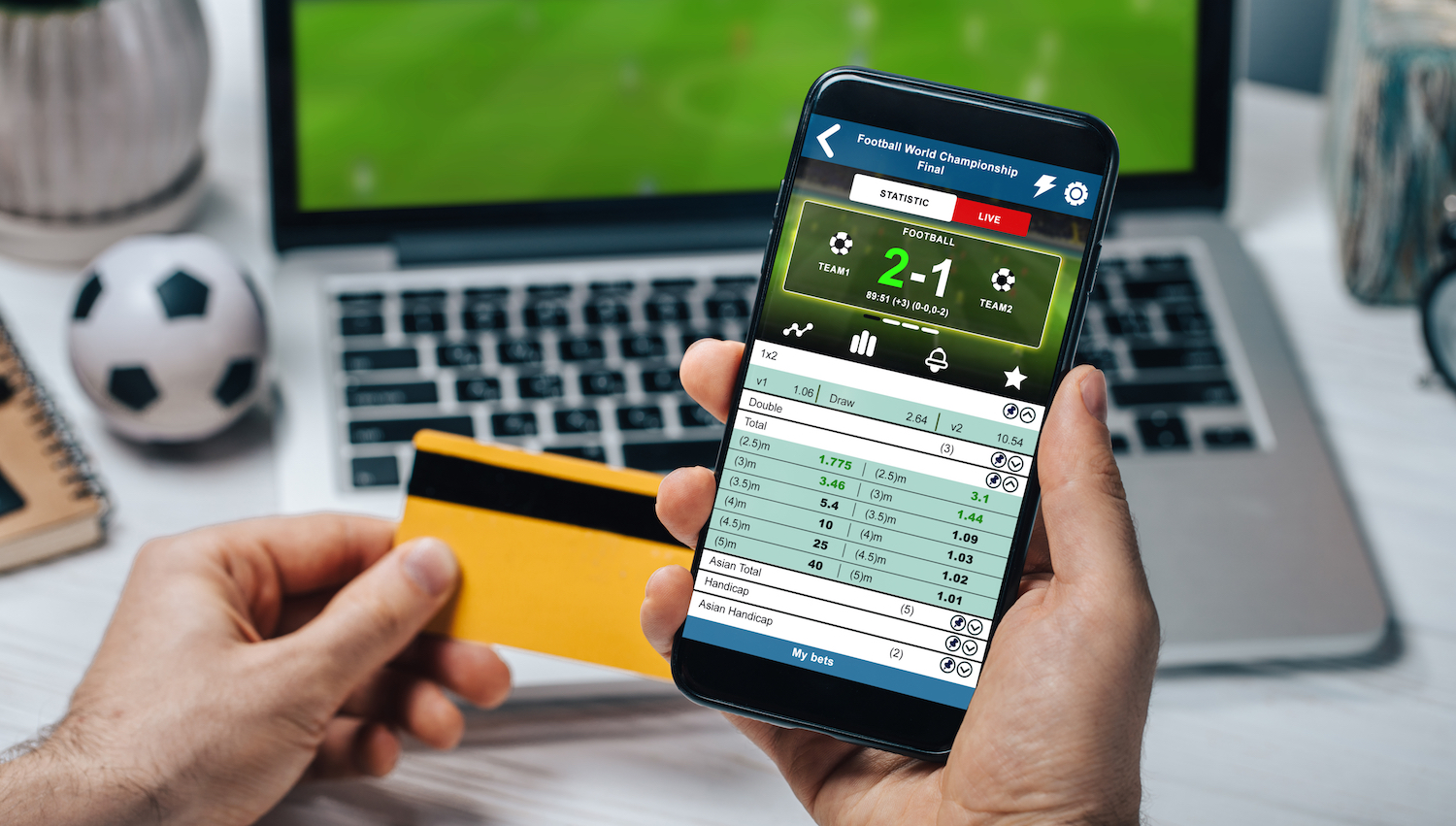
Live Betting Became More Specific
Traditional live betting already changed player behavior by keeping markets open during the match. Micro-betting goes further. It does not ask who will win the game. It asks what will happen next.
For users searching for access options like 1xBet indir, this format fits the mobile betting habit perfectly. A phone screen is built for quick decisions, fast odds updates, and short betting windows. Micro-markets are designed for that rhythm.
Common micro-betting examples include:
- next point in tennis
- next corner in football
- next throw-in
- next free kick
- next possession result
- next player shot
- next basketball score
- next cricket delivery outcome
These markets turn passive watching into constant decision-making.
The Appeal Is Instant Feedback
One reason micro-betting grows so quickly is feedback speed. A traditional pre-match bet may take 90 minutes or longer to settle. A micro-bet can be decided in seconds.
That changes the emotional experience. Players do not wait for the full match narrative. They react to momentum, pressure, pace, and small tactical details. A bettor watching a football team attack repeatedly may enter a next-corner market. In tennis, a strong server may attract point-by-point action. In basketball, a fast transition team may create quick scoring markets.
This feels more interactive than standard betting. The player is not only watching the match; they are responding to each phase of it.
Data Makes Micro-Markets Possible
Micro-betting depends on speed, data, and automation. Sportsbooks need reliable live feeds, fast pricing models, and stable settlement systems. Without accurate data, these markets become risky for both the operator and the player.
This is also why micro-betting is stronger in sports with clear event sequences. Tennis, basketball, cricket, and American football fit the model naturally. Football is more complex, but corners, throw-ins, cards, shots, and possession-based markets are expanding.
The growth of live data has made these markets more realistic. What used to be too small or too fast to price is now becoming part of the betting experience.
The Risk Is Over-Betting
The same feature that makes micro-betting exciting also makes it dangerous: frequency. When markets refresh every few seconds, players can place far more bets than they planned.
A normal live session may involve three or four decisions. A micro-betting session can create dozens. This increases the risk of impulse betting, chasing losses, and reacting emotionally after one bad moment.
The biggest risks include:
- betting without enough analysis
- chasing immediately after a lost micro-bet
- mistaking speed for opportunity
- losing track of total stake volume
- reacting to emotion instead of value
- treating every moment as playable
Micro-betting requires stricter bankroll control than normal live betting because the number of decisions grows quickly.
Smart Players Use Filters
Micro-betting is not automatically reckless. It can be useful when players apply clear filters. The strongest bettors do not enter every market. They wait for patterns: pressure, fatigue, serve rhythm, pace changes, or tactical mismatch.
For example, a football bettor may avoid random throw-in markets but watch next-corner opportunities when one team is repeatedly attacking wide. A tennis bettor may focus only on serve patterns. A basketball bettor may wait for tempo shifts after substitutions.
The key is selectivity. Micro-betting rewards fast reading, but it punishes constant clicking.
Why Micro-Betting Will Keep Expanding
Micro-betting will keep growing because it matches the way modern audiences watch sport: mobile, fragmented, and reactive. Many players do not want to wait for one result. They want smaller markets that follow the rhythm of the match.
For operators, micro-betting increases engagement and keeps users active during every phase of the event. For players, it creates more control and more entertainment — but also more temptation.
The future of live betting is not only about who wins. It is about what happens next.
And in micro-betting, “next” can arrive every few seconds.